
Multi-Party Cooperation Targets PCB Precision Tool Projects
Key Data Points
This story reports a measured change such as 15%. Figures like this show direction and scale, so it helps to keep them separate from the surrounding commentary.
- Change / rate: 15% One participant estimated that collective sourcing can reduce input costs by up to 15%, though official figures have not been disclosed.
Fragmentation in the precision tooling sector for printed circuit boards is yielding to a new model of pooled expertise. A collaborative initiative, detailed in a Bluesky thread by user @babygoldie.bsky.social, brings together industry players to jointly advance precision tool projects by combining their distinct market, technical, and operational strengths.
Leveraging Market Access and Distribution Strengths

The collaboration draws on complementary market resources and sales channels. Participants share customer networks and regional market intelligence, allowing each party to offer a broader range of precision tools without duplicating outreach efforts. Distribution agreements among the partners expand the geographic reach of their products, particularly in high-growth electronics manufacturing hubs across Asia and North America.
Sales teams are aligning to cross-sell tooling solutions—such as micro-drills and routing bits—that meet the evolving needs of PCB fabricators. By synchronizing their go-to-market strategies, the cooperating entities reduce the cost of customer acquisition and accelerate revenue growth for their collective product lines.
Integrating R&D and Advanced Production Techniques
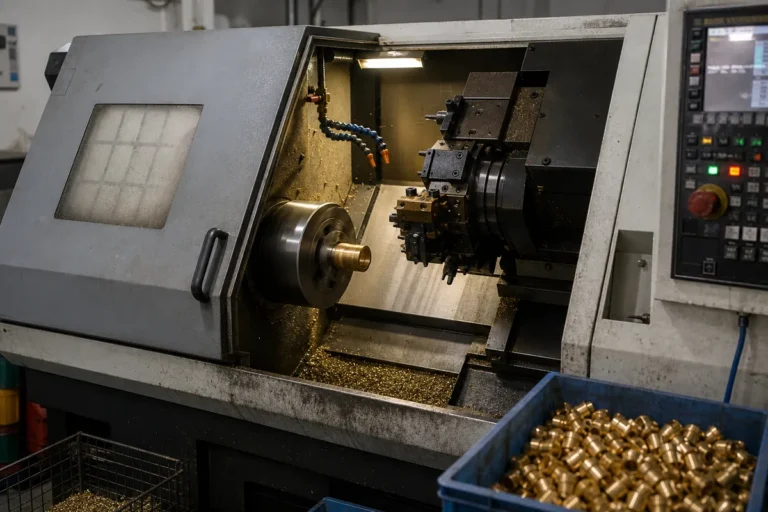
Technology research and development forms a cornerstone of the joint effort. The parties pool engineering talent to develop next-generation CNC precision machining processes, targeting tighter tolerances and longer tool life in PCB fabrication. Shared R&D reduces individual investment burdens while speeding up prototyping cycles.
On the production management front, the initiative harmonizes manufacturing workflows across different facilities. Standardized quality-control protocols and machine utilization schedules help maintain consistency in tool output, whether the tools are produced in one partner’s factory or another. This integration also allows for rapid scaling of production volumes when a customer places a large order for PCB drills or routers.
Cost Efficiency Through Shared Infrastructure
Cost control measures are embedded in every layer of the cooperation. Bulk procurement of carbide blanks and diamond coatings—critical inputs for precision tools—lowers material expenses. Shared logistics and warehousing further trim operational costs. One participant estimated that collective sourcing can reduce input costs by up to 15%, though official figures have not been disclosed.
Interconnection goes beyond physical supply chains to include digital data exchange. Joint monitoring systems track tool performance in real time, feeding back data that refines future designs and production parameters. This closed-loop approach ensures that cost savings do not come at the expense of tool quality.
A Unified Framework for Precision Tool Projects
The parties have established a project-based cooperation model where each brings defined responsibilities—market intelligence, design, manufacturing, or after-sales support—to specific PCB tooling undertakings. This framework eliminates redun- dancies and streamlines decision-making. Regular virtual coordination meetings keep all stakeholders aligned on project milestones and technical requirements.
| Aspect | Details |
|---|---|
| Market Resources | Shared customer networks and regional market intelligence |
| Sales Channels | Cross-selling agreements that extend geographic reach |
| Technology R&D | Joint development of CNC precision machining processes for PCB tools |
| Production Management | Harmonized quality control and scalable manufacturing workflows |
| Cost Control | Bulk material procurement, shared logistics, and digital monitoring |
| Interconnection | Real-time performance data exchange for continuous improvement |
| Project Cooperation | Role-based collaboration on specific precision tooling projects |
Impact Across the Electronics Supply Chain
Printed circuit board manufacturers stand to gain directly from improved tool quality and availability. Shorter lead times for precision drills and routers can help fabricators meet tight production schedules for consumer electronics and automotive applications. Tooling suppliers, meanwhile, access a larger addressable market with lower overheads, enhancing their competitiveness against vertically integrated giants.
End users—such as automotive, IoT, and 5G infrastructure companies—may experience a ripple effect from more cost-effective PCB production. As the collaboration matures, it could set a precedent for resource-sharing in other precision machining segments, from semiconductor packaging to medical device microfabrication.
Why This Matters
The formalization of cross-entity collaboration in PCB precision tooling signals a maturing ecosystem where fragmentation is giving way to integrated resource-sharing. By aligning R&D, production, and market channels, the initiative could compress innovation cycles and reduce unit costs for high-precision tooling, directly impacting the speed and economics of advanced PCB manufacturing.
FAQ
What is the core objective of the described cooperation?
The cooperation aims to combine distinct advantages in market resources, sales channels, R&D, production management, and cost control to execute PCB precision tool projects more efficiently.
Who are the parties involved in this PCB precision tool collaboration?
Specific company names have not been disclosed, but the update suggests participation from various stakeholders across the PCB manufacturing and precision machining sectors.
How does this collaboration benefit the PCB industry?
By sharing resources and expertise, the initiative can lead to faster development cycles, improved tooling accuracy, and reduced costs, ultimately enhancing the competitiveness of PCB fabrication.
When will the collaborative projects begin or deliver results?
The timeline for project initiation and completion was not provided in the update, though the active discussion indicates an ongoing effort rather than a future plan.
Sources
- Bluesky (bsky.app)
Source: Bluesky @babygoldie.bsky.social