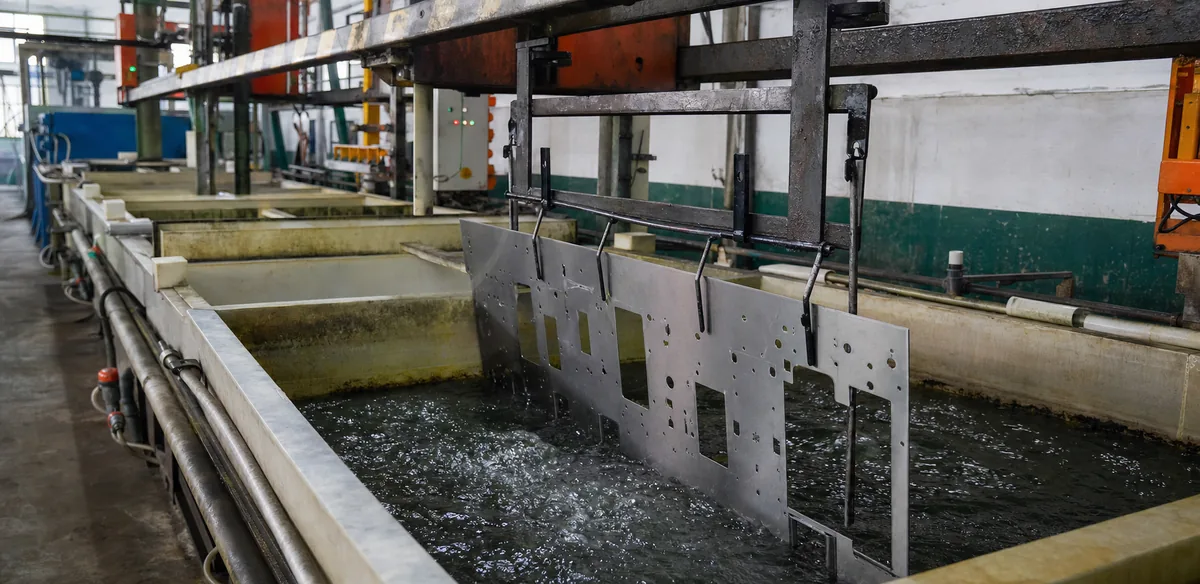
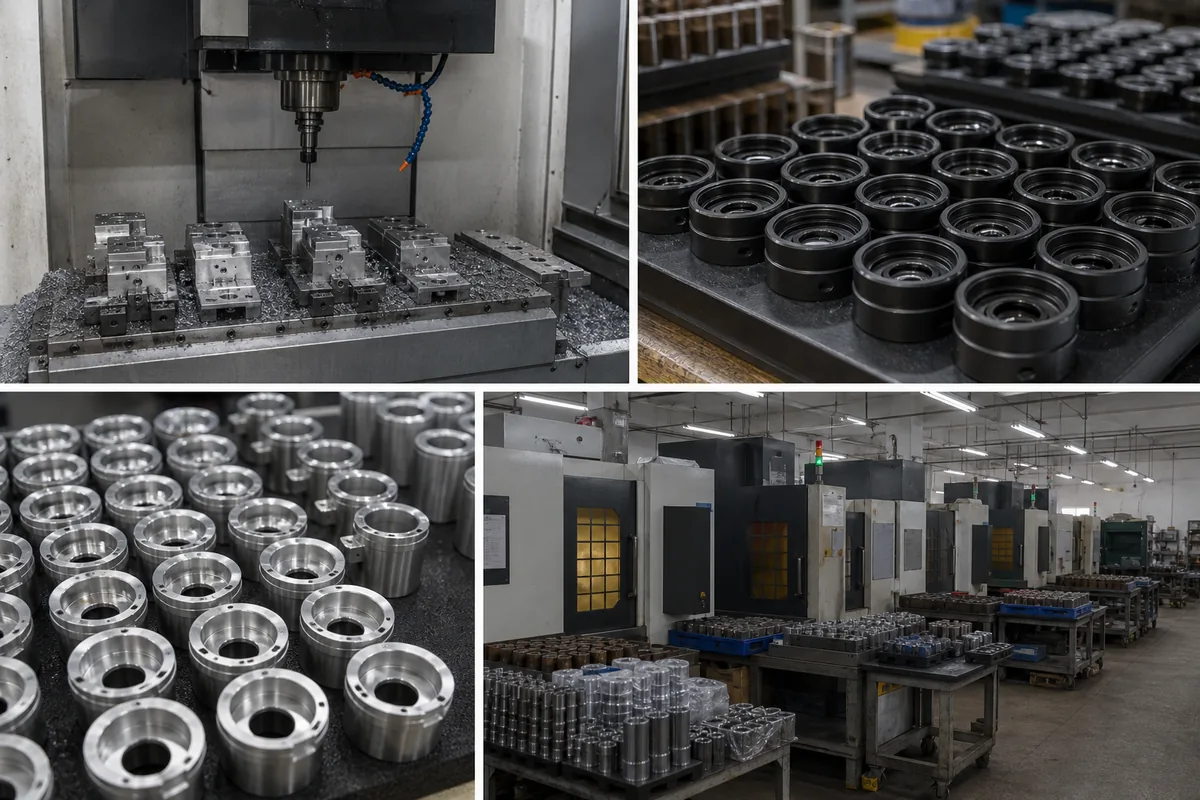
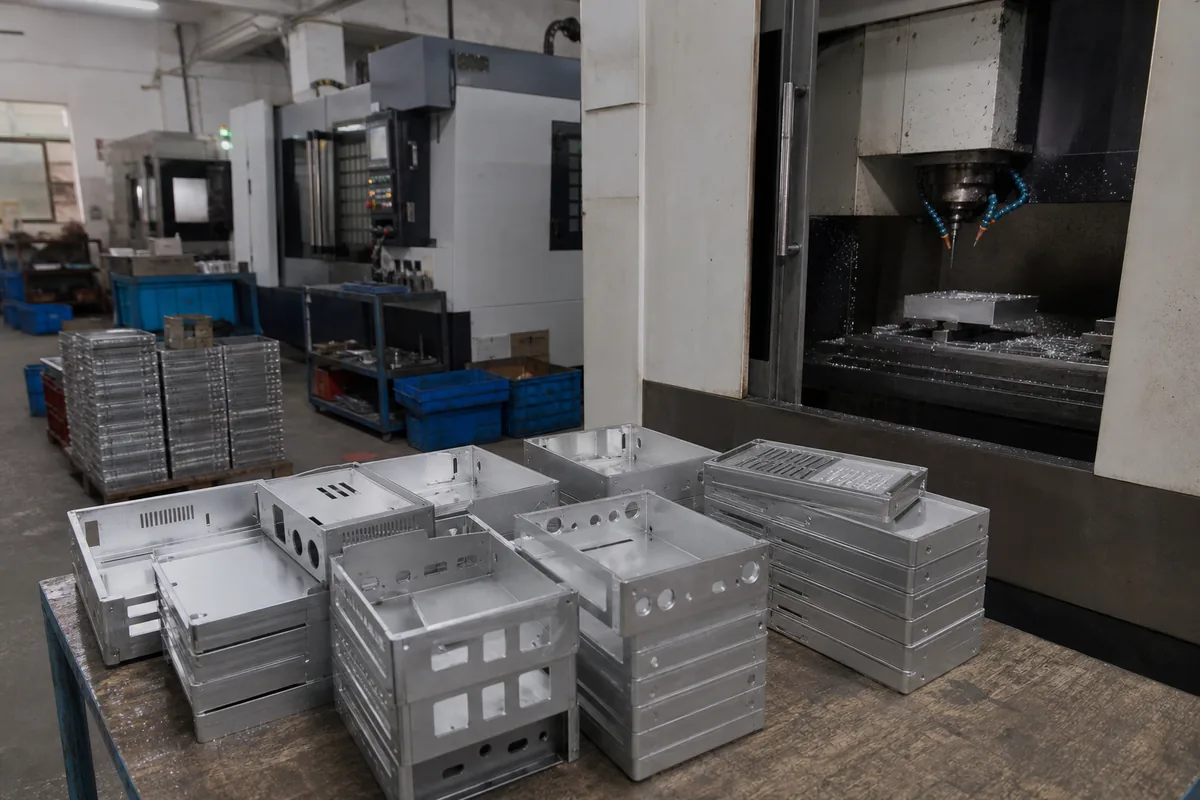
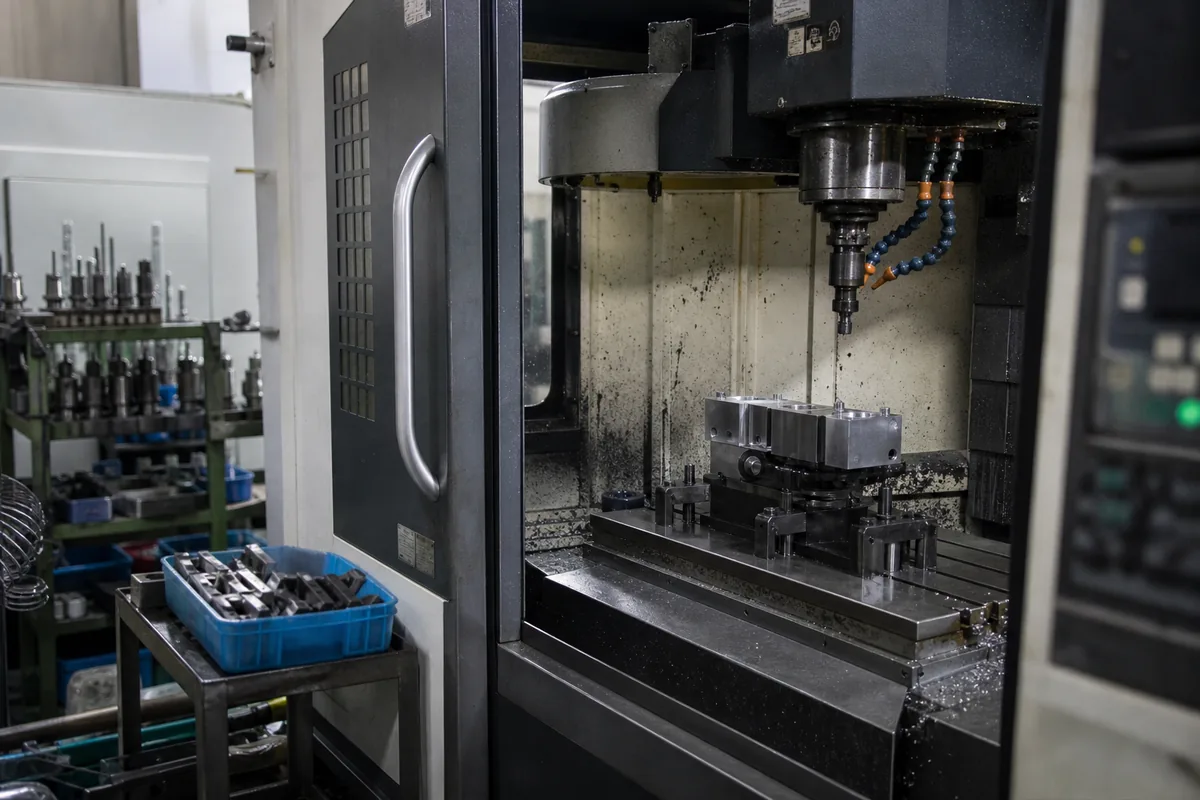
Explore VT machining's Chemical Etching capability. Photochemical etching uses a patterned resist and etchant to dissolve metal precisely, with no mechanical force, burrs or induced stress.
Photochemical etching uses a patterned resist and etchant to dissolve metal precisely, with no mechanical force, burrs or induced stress. Because the same engineers handle quoting, programming and inspection, nothing is lost between your drawing and the finished part.
Design your Chemical Etching part online — free 3D + 2D drawing builder
No CAD licence, no sign-up, no cost. Set your metal, dimensions and features in the browser, see the part update live in 3D, switch to 2D to add dimensions and tolerances, then send the drawing straight to our chemical etching team for a quotation.
Live 3D preview — rotate, zoom and explode the model as you type
Built-in 2D drawing sheet with dimensions, tolerances and notes
Download the preview or send it with your RFQ in one click
Free to use, unlimited revisions, nothing to install
VT CNC Machining3D
Chemical Etching BuilderConfigure photochemically etched metal parts with etched channels, openings, cavities and fine patterns — no mechanical force, burrs or induced stress. Every builder includes the Freeform Corner & Region Editor: cut or add material of any shape directly on the 3D model, then submit an RFQ.This tool is for visual configuration only. Final dimensions, tolerances, materials, coatings, and manufacturability will be reviewed from your drawing or specification.
Paste a configuration JSON (from Export) or a copied RFQ summary. The product and all recognized parameters are applied automatically; unknown parameters are listed and skipped.
Answer the choices below step by step — every value comes from the real option list, so it always renders.
Save the current configuration under a name and recall it any time on this device.
2D PreviewYour browser is showing a simplified engineering preview because WebGL is unavailable.
Chemical Etching Builder
Interactive visual preview for custom CNC machining configuration.
CMD
Import Code (One-Click Recall)
Save this code before you leave — it is the only way to recall this exact model. If you lose it, your configuration cannot be restored.
SUBMIT RFQ — ENGINEERING REVIEWYour current 3D configuration and specification summary are attached automatically. Attach a drawing if you have one.
FREQUENTLY ASKED QUESTIONSWhat is photochemical etching good for?
Fine patterns, channels, meshes, openings and half-etched features in thin metal sheets and foils (typically 0.02-0.5 mm) with no mechanical force, burrs or induced stress — ideal for EMI shields, encoder discs, fuel cell plates and springs.
What feature sizes can be etched?
Minimum feature size is roughly equal to sheet thickness, with etch depth controlled to single-digit microns. Single-side, double-side and half-etch plus through-etch combinations are supported.
Chemical Etching is a photochemical process. Your artwork is imaged into a resist, and etchant dissolves the exposed metal evenly from both sides. Because there is no mechanical force and no heat, parts come out flat, burr-free and free of induced stress — and design changes cost nothing but new artwork.
VT machining runs Chemical Etching in-house, so scheduling, quality and revisions stay under one roof. Photochemical etching uses a patterned resist and etchant to dissolve metal precisely, with no mechanical force, burrs or induced stress — and the parameters are set from your material and geometry, not a default recipe. Send a CAD model or a 2D print and we will confirm feasibility, tolerances and lead time before you commit.
How Chemical Etching Works at VT machining
A photo-resist patterned from your artwork masks the metal, and an etchant dissolves the exposed metal evenly from both sides. Because there is no mechanical force, the part stays flat and stress-free.
Every job begins from your CAD model or 2D drawing. Fixturing and tool paths are planned so the most critical dimensions are produced in the most rigid, repeatable setup. Critical dimensions are checked on the first part and monitored through the run.
1
Send your drawing
CAD model, PDF print — or a drawing you build free on this page. We reply with feasibility, price and lead time.
2
Artwork & resist imaging
Your DXF/Gerber is converted to a phototool and imaged into the resist — no hard tooling.
3
Chemical Etching run
First article is verified against the print before the balance of the batch is released.
4
Inspection & dispatch
In-process checks plus final inspection, with CMM reports, mill certs and FAIR on request.
Chemical Etching Tolerances & Surface Finish
Etched metal holds tight, repeatable feature tolerances on thin gauge, with a minimum feature size around 0.8× the metal thickness and completely burr-free edges.
Final tolerances are governed by the material's behaviour, wall thickness and overall stiffness. We give honest DFM feedback if a callout would be costly or better achieved another way.
Chemical Etching — capability summary
Sheet format
Up to 600 × 500 mm
Foil thickness
0.02–1.0 mm
Min feature
≈ 0.8× metal thickness
Tolerance
±0.02 mm typical
Edge condition
Burr-free, stress-free, no heat-affected zone
Lead time
Prototypes 5–10 days · production 10–20 days
Documentation
Dimensional report, material certificate, FAIR on request
Figures are typical in-house capability. Send your drawing and we will confirm what is achievable for your specific part.
Chemical Etching by Metal — Choose Your Material
Choose a metal below for grade-level detail, achievable tolerances and typical parts in that material.
Small design adjustments often cut cost and lead time. Designing features no finer than ~0.8× foil thickness and allowing tab placement gives the best yield on etched metal. If you send your model early, we will return practical DFM feedback before you commit to production.
Secondary Operations & Finishing
Most metal parts need some finishing, which we manage in-house or through vetted partners. Options include deburring and edge-breaking, heat treatment, surface grinding, polishing, and plating or anodising for corrosion resistance and appearance. Give us the finished-part requirement and we will sequence every operation correctly.
Chemical Etching Quality & Inspection
Quality is built in, not inspected on. We monitor key features during the run and confirm them at final inspection, with CMM verification available for tight tolerances. We provide the inspection and traceability records your quality system requires.
Industries That Order Chemical Etching
Chemical Etching parts made by VT machining go into the sectors below. Each page lists the typical components, preferred alloys and the tolerance expectations for that industry.
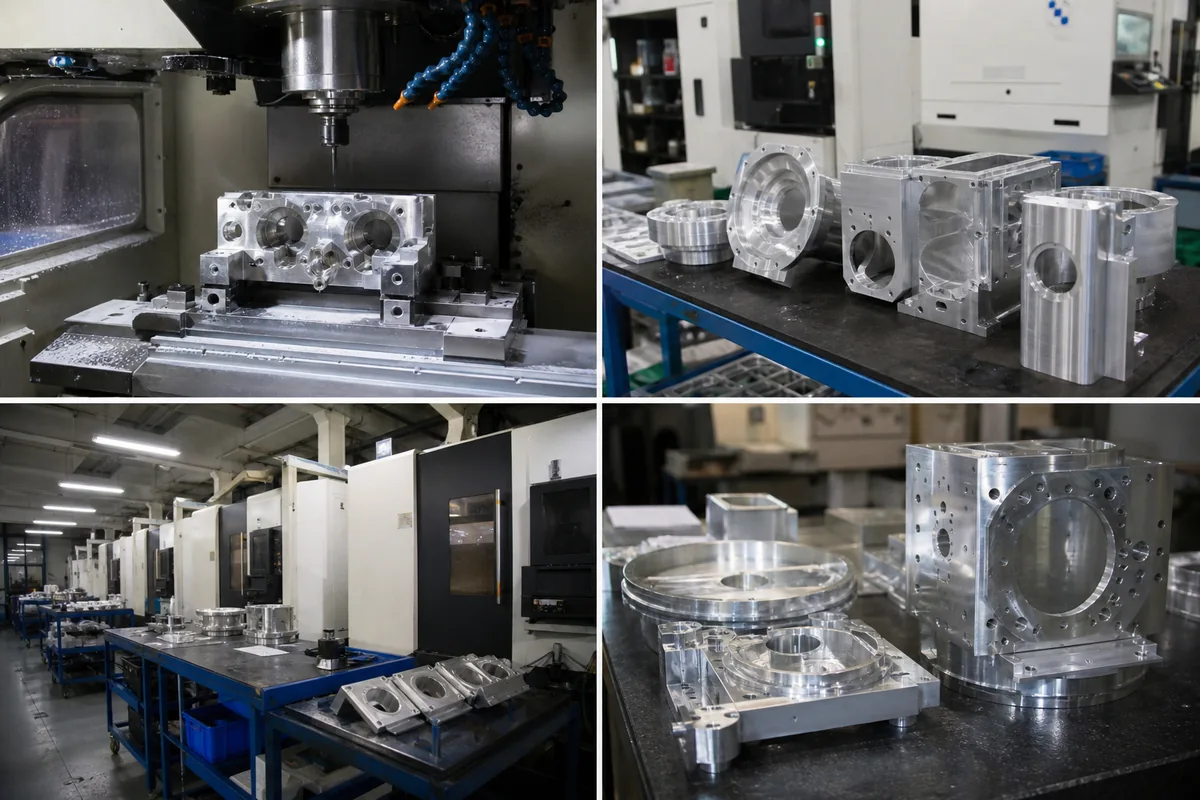
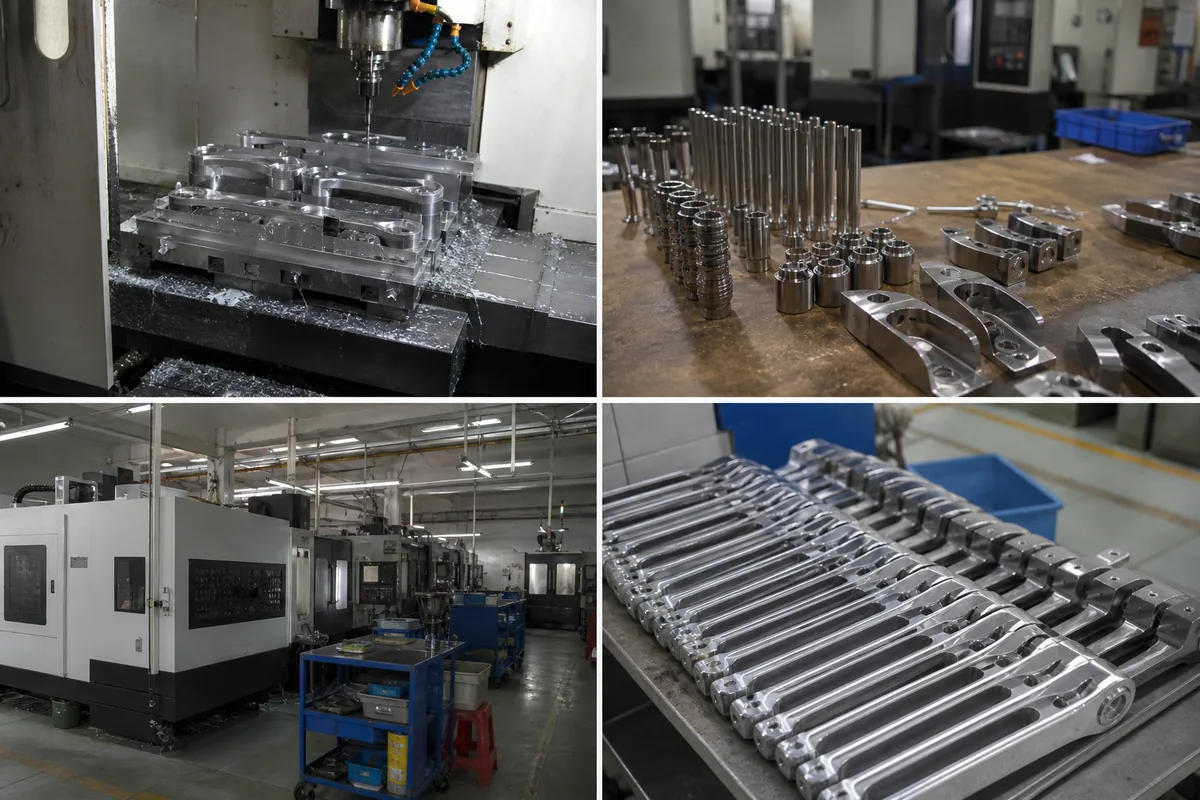
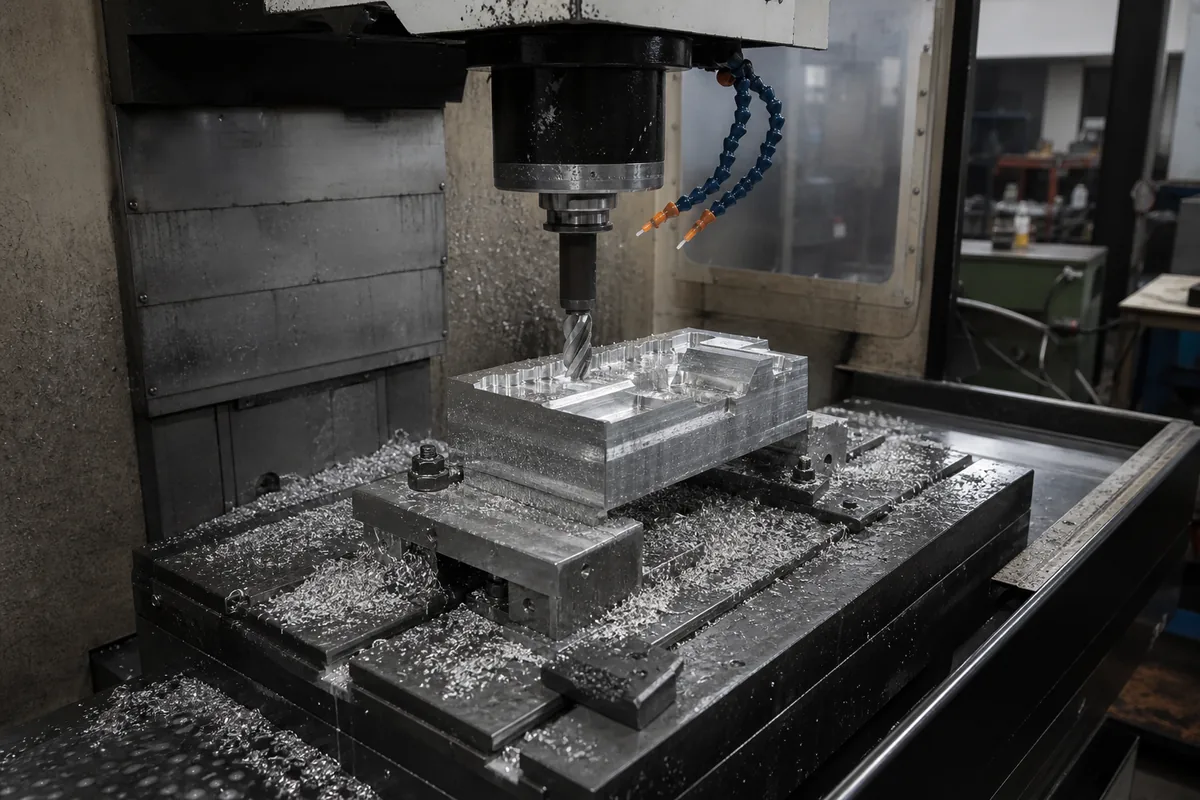
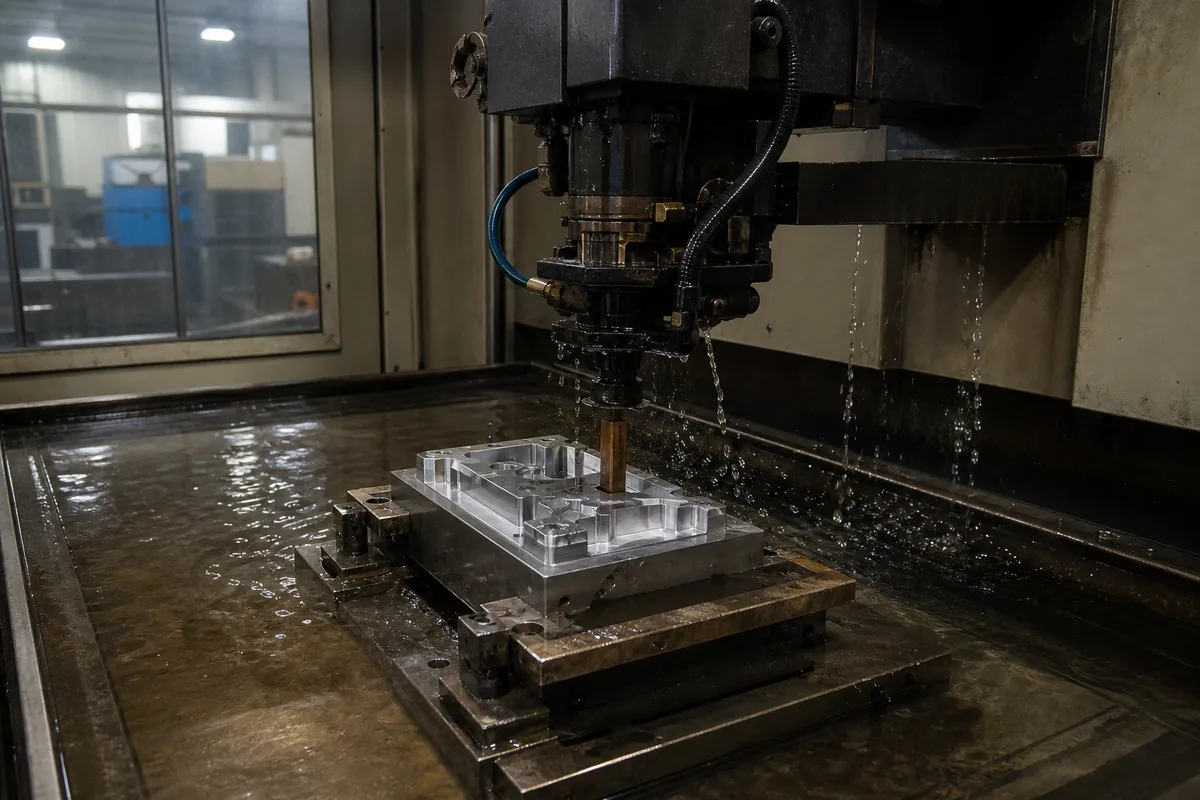
CNC milling an aluminium block — Chemical Etching at VT machiningCMM-verified precision machining — Chemical Etching at VT machiningEDM machining a hardened tool-steel part — Chemical Etching at VT machining
Ordering metal parts is straightforward. Provide the drawing, material, quantity and any certification needs. Our engineers reply — in English — with feasibility, pricing and a realistic lead time, usually within one business day.
Have a drawing ready? Send it with your quantity and material for a quotation, usually within one business day.
What surface finish is achievable on with Chemical Etching?
Etching leaves the part with a uniform matte surface and clean, burr-free edges, with optional post-etch finishing.
Can VT machining make custom parts to my drawing?
Yes. Chemical Etching is made to order from your CAD/2D drawing. Share your geometry, material grade, tolerance and quantity and we will confirm feasibility, lead time and pricing.
How clean are the edges produced by Chemical Etching on ?
Chemical etching removes the metal without mechanical force, so edges are completely burr-free and stress-free — no secondary deburring needed.
What is the finest feature you can etch in ?
As a guide, the minimum reliable feature size is roughly 0.8 × the metal thickness, so thinner foil yields finer apertures and detail — all produced burr-free and stress-free.
This website uses only necessary and functional cookies to operate, secure, and improve basic website performance.
We do not use advertising cookies, Google Analytics, or cross-site tracking technologies.
Privacy Policy