Anodizing Gains Ground as Preferred CNC Finish
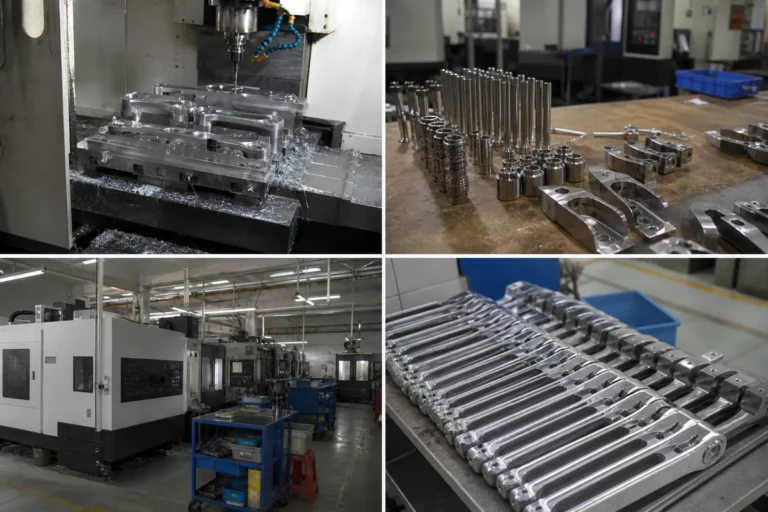
Bare CNC machined parts, though dimensionally precise, frequently lack the long-term resilience and visual refinement required by end-use applications. Anodizing has emerged as a transformative electrochemical treatment that not only reinforces surface integrity but also expands the aesthetic palette available to designers.
The Anodizing Process and Its Advantages
Anodizing is a controlled oxidation process conducted in an acid electrolyte bath. When an electric current passes through the bath, the workpiece—typically aluminum—acts as the anode, causing oxygen ions to combine with the metal’s surface atoms. The result is a dense, uniform layer of aluminum oxide that is integrated with the substrate rather than merely applied on top. This integration prevents peeling or chipping, setting anodizing apart from traditional paints or platings.

For CNC machining operations, anodizing serves a dual purpose. First, the oxide layer dramatically boosts corrosion resistance, enabling components to withstand harsh environments, from marine exposures to industrial chemicals. Second, the porous structure of the anodic film readily accepts dyes before sealing, allowing manufacturers to achieve a wide spectrum of colors without sacrificing durability. This capability makes anodized finishes especially attractive for consumer electronics, automotive trim, and architectural hardware where both function and form are critical.
Unlike coatings that add measurable thickness and risk altering dimensional tolerances, anodizing grows the protective layer outward from the metal surface, minimizing dimensional changes. Precision machined parts, therefore, retain their critical features while gaining a hardened exterior. The process also enhances electrical insulation and provides an excellent base for subsequent adhesive bonding or painting, broadening its utility in advanced assembly workflows.
Key Characteristics of Anodized CNC Finishes
- Hard, wear-resistant surface: The aluminum oxide layer reaches significant hardness, often exceeding that of tool steel, reducing galling and abrasion in moving assemblies.
- Customizable color options: Dye absorption into the porous oxide yields vibrant, fade-resistant colors, from deep blacks to bright reds, enabling branding and part identification.
- Corrosion protection: The sealed oxide barrier isolates the base metal from moisture, salts, and corrosive agents, extending service life in demanding conditions.
- Electrical insulation: Anodic coatings provide dielectric strength, making anodized parts suitable for electronic housings and insulative components.
- Adhesion promotion: The microporous surface enhances paint and adhesive bond strength, useful in multi-material assemblies.
Industry Context and Future Outlook
Suppliers like PCBWay have integrated anodizing into their standard finishing services for CNC machined prototypes and production runs, reflecting its broad acceptance. The technique aligns with the increasing demand for lightweight, durable components in industries ranging from aerospace to medical devices. As CNC precision machining continues to advance, surface finishing processes like anodizing are no longer afterthoughts but integral steps that define part performance and customer satisfaction.
Material science improvements are also yielding new electrolyte formulations that reduce energy consumption and waste, addressing environmental concerns associated with traditional acid baths. Combined with automated process monitoring, these innovations promise more consistent coating thickness and color matching across large batches. Manufacturers are now exploring titanium anodizing for specialized applications, though aluminum remains the primary substrate due to its light weight and cost-effectiveness.
Standard lead times for anodized parts are shortening as more shops bring the process in-house or partner with dedicated finishing houses. Upcoming industry guidelines on anodic coating specifications are expected to further normalize quality benchmarks, simplifying procurement for engineers who rely on durable, attractive components. The next likely checkpoint will be the release of updated ASTM standards for anodic coatings on machined aluminum, which many suppliers anticipate within the current cycle.
| Aspect | Details |
|---|---|
| Process | Electrochemical oxidation in an acid bath; workpiece acts as anode. |
| Primary Benefits | Hardness, corrosion resistance, colorability, adhesion promotion. |
| Common Substrates | Aluminum (most prevalent), titanium, magnesium. |
| Typical Applications | Consumer electronics, automotive trim, architectural hardware, aerospace. |
| Key Industry Player | PCBWay and other service bureaus offer integrated anodizing. |
| Next Milestone | Updated ASTM standards for anodic coatings on machined parts. |
Why This Matters
Anodizing elevates CNC machined parts from functional to high-performance by providing a built-in protective layer that resists wear and corrosion while enabling brand‑specific coloring. As industries demand lighter, longer‑lasting components, the process bridges the gap between precision manufacturing and end‑use durability, streamlining supply chains and reducing the need for secondary coatings.
FAQ
What is anodizing and how does it work on CNC machined parts?
Anodizing is an electrochemical process that converts the metal surface into a durable, porous oxide layer. For CNC machined parts, typically aluminum, the part is immersed in an acid bath and subjected to electric current, causing a controlled buildup of aluminum oxide that is integral to the substrate.
Why is anodizing preferred over painting for CNC components?
Unlike paint, anodizing grows the protective layer from the metal itself, so it does not chip or peel. It also provides superior hardness and corrosion resistance while allowing vibrant dye absorption for customizable aesthetics, all without significantly altering part dimensions.
Which materials are commonly anodized in CNC machining?
Aluminum is the most common substrate due to its reactivity and widespread use in machined components. Titanium and magnesium can also be anodized, though each requires specific electrolyte formulations and process parameters.
How does anodizing affect the cost and lead time of CNC projects?
Anodizing adds a finishing step, but its integration into standard workflows by service providers like PCBWay has made it cost‑effective for both prototypes and production batches. Lead times are competitive, and in‑house anodizing capabilities are increasingly reducing turnaround.
What future developments are expected for anodized CNC finishes?
Industry attention is turning to environmentally friendlier electrolytes, automated process controls for tighter tolerances, and updated ASTM standards that will provide clearer quality benchmarks for anodic coatings on machined parts.
Sources
- PCBWay (pcbway.com)