
2026 Precision Leaders: Ten CNC Vertical Machining Center Manufacturers to Watch
Key Figures
This story is anchored to specific dates or periods such as 2026. Those reference points make it easier to track how the situation develops over time.
- Date / period: 2026 2026 Precision Leaders: Ten CNC Vertical Machining Center Manufacturers to Watch A new industry analysis highlights ten CNC vertical machining center manufacturers that will lead global precision metal machining through 2026, driven…
Manufacturers across the globe are entering a decisive phase of industrial evolution as the hunger for high-precision metal components expands relentlessly. A forward-looking industry analysis now identifies ten reputable CNC vertical machining center builders that are expected to dominate the market through 2026. Their ascent is underpinned by breakthroughs in multi-axis control, artificial intelligence integration, and uncompromising quality assurance.
What Sets CNC Vertical Machining Centers Apart
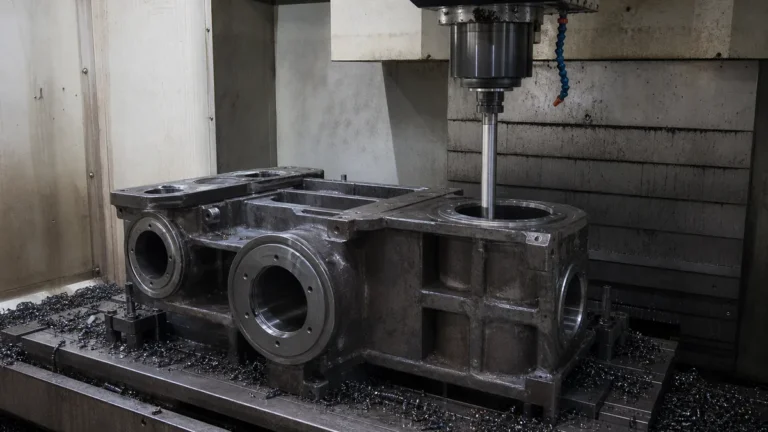
A CNC vertical machining center (VMC) is a type of milling machine where the spindle axis is oriented vertically. This configuration offers excellent chip evacuation and makes workholding straightforward, making it ideal for producing complex metal parts with tight tolerances. Unlike horizontal machining centers, VMCs are typically more accessible for smaller shops yet capable of handling heavy cutting in production environments.
Key Criteria Defining Reputable Manufacturers
Industry observers evaluate manufacturers based on several critical factors. Global distribution networks, service responsiveness, and the ability to deliver machines that maintain accuracy over years of operation rank high. Additionally, the embrace of smart factory technologies—such as predictive maintenance and real-time tool monitoring—separates frontrunners from the rest. Companies that invest in rigorous R&D and hold certifications like ISO 9001 and AS9100 also earn greater trust among aerospace and medical device makers.
Applications Propelling Demand Toward 2026
For contract manufacturers focused on CNC Precision Machining, vertical centers represent the backbone of their capability. The surge in electric vehicle production, next-generation aircraft components, and minimally invasive surgical instruments is driving a need for ever more precise metal machining. VMCs are essential for crafting engine blocks, transmission housings, implantable device bodies, and myriad other mission-critical parts. Their ability to handle materials ranging from aluminum and titanium to hardened steels makes them indispensable across automotive, aerospace, and medical sectors.
Technology Trends Reshaping the Landscape
Automation is at the heart of the next wave. Many top-tier builders now equip their vertical machining centers with robotic loading systems, adaptive chip removal, and advanced CAM software connectivity. The integration of digital twins—virtual replicas that simulate machining processes before metal is ever cut—is reducing setup times and scrap rates dramatically. Moreover, collaboration with cutting tool suppliers to optimize spindle speeds and feed rates is pushing surface finishes to near-ground quality.
Quality Assurance and Certification
Reputable manufacturers don’t just build machines; they build systems that can repeatedly produce parts within micron‑level tolerances. Many undergo rigorous third‑party audits to achieve certifications such as ISO 13485 for medical devices or AS9100 for aerospace. These credentials assure buyers that the machining centers are delivered with traceable quality documentation and validation protocols, a must for safety‑critical components.
Global Players and Competitive Dynamics
While the specific ranking of the ten reputable manufacturers varies by source, well‑established names consistently appear in industry discussions. For example, Haas Automation from the United States and Germany’s DMG MORI are frequently recognized for their vast installed bases and continuous innovation. Japan’s Mazak, Okuma, and Makino also command respect for their engineering precision. Meanwhile, European firms like Sweden’s Modig and Italy’s Jobs are gaining traction with specialized solutions for aerospace and large‑format parts.
Supply Chain and Capacity Considerations
Lead times for VMCs have come under scrutiny as demand outpaces supply in some regions. Manufacturers that have invested in vertically integrated production—casting their own frames, spinning their own spindles, and assembling electronics in‑house—are better positioned to meet delivery schedules. This control also translates into tighter quality management, a decisive advantage when end users require documented process capabilities for regulatory compliance.
Consolidation and Future Outlook
Industry consolidation through mergers and acquisitions is likely to intensify as the 2026 horizon nears. Larger conglomerates are acquiring niche manufacturers to round out their portfolios with hyper‑specialized machines, such as those optimized for micromachining or for working with exotic alloys. At the same time, smaller, agile builders are leveraging niche expertise in fields like Swiss‑style machining to carve out their own loyal customer bases.
The table below consolidates key dimensions of the evolving VMC landscape discussed above.
| Aspect | Details |
|---|---|
| Market Drivers | EVs, aerospace, medical devices; demand for tighter tolerances and higher throughput |
| Key Technologies | Multi‑axis control, AI‑based tool monitoring, digital twins, robotic loading |
| Reputation Criteria | Global support networks, service agility, ISO/AS certifications, R&D investment |
| Material Capabilities | Aluminum, titanium, hardened steels, exotic alloys |
| Supply Chain Focus | Vertical integration; in‑house casting, spindle production, and electronics |
| Competitive Dynamics | M&A activity consolidating niche expertise; agile builders gaining share |
The road to 2026 is paved with both opportunity and challenge for these ten manufacturers. Their ability to integrate next‑generation automation while maintaining robust service networks will likely determine who truly leads the precision metal machining revolution.
Why This Matters
As industries demand tighter tolerances and faster cycle times, the role of CNC vertical machining centers becomes pivotal. The identification of ten leading manufacturers signals to procurement professionals and engineers where to focus sourcing strategies for the coming years. It also underscores the accelerating technology shift toward smarter, more connected machine tools that can integrate with Industry 4.0 frameworks, promising greater efficiency and lower per‑part costs.
FAQ
What is a CNC vertical machining center?
A CNC vertical machining center is a milling machine where the spindle axis is oriented vertically. It is widely used for producing complex metal parts with high precision, offering advantages in chip evacuation and ease of workholding compared to horizontal configurations.
How were the ten reputable manufacturers identified?
Industry analysis considered global market presence, investment in research and development, adoption of smart factory technologies, and possession of quality certifications like ISO 9001 and AS9100. Service network responsiveness and long‑term machine accuracy also factored into the evaluation.
Why is 2026 a significant year for this market?
The year 2026 aligns with intensifying precision requirements in sectors such as electric vehicles, next‑gen aerospace, and medical devices. It also represents a timeline for anticipated technology shifts, including deeper integration of AI, digital twins, and automation in machining centers.
How does high‑precision CNC machining benefit metal manufacturing?
It enables tighter dimensional tolerances, reduces material waste, shortens production cycles, and supports complex part geometries. This leads to higher‑quality components, especially critical in safety‑sensitive industries like aerospace and medical devices.
Sources
- Haas Automation (haascnc.com)
- DMG MORI (dmgmori.com)
Source: EIN News